


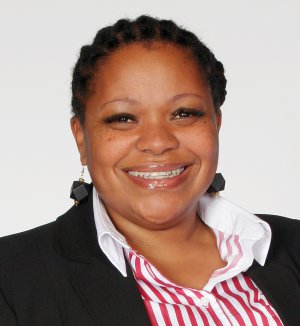
CEO Viewpoint
Recently I was fortunate to attend The South African Travel and Tourism Summit which took place in Gauteng, during October 2013 in Gauteng. A presentation was delivered by Mr Chris Buckingham, who was Chief Executive at Destination Melbourne for 5 years. The topic about his home destination was, “Melbourne, A model for Successful Tourism Industry.” This case study hit a nerve with me as I was able to recognize many similarities and obstacles shared by our destination as well as mountains of opportunities.
Melbourne is a major Australian tourist destination as well as the country's second most populous city. Over the past decade Melbourne has experienced an urban renaissance through a transformation of public places, streets and laneways that has made Melbourne more attractive than most other city centers found worldwide. Transformations like these do not accidently occur but are the result of creative thinking, implementation of urban design strategies and individual initiatives. The city did not focus on a single iconic attraction, however focused on urban rejuvenation. Mr Buckingham shared their secret. They focused hard on first making Melbourne – a city without any major tourist attractions – the most “livable” city in the world (a feat they officially achieved in August this year, snatching the coveted title from Vancouver), with the premise that if people want to live in a city, they’ll want to visit it, too.
With this concept in mind of first making a city livable and then focusing on the “visitability” I realized that Nelson Mandela Bay has all the right infrastructure and stakeholders combinations to reach the same success in the urban tourism niche market. Nelson Mandela Bay has recently seen the upgrades of the Donkin Reserve, Uitenhage Market Square, Route 67, Stanley Street Redevelopment and the Athenaeum to name but a few through the Mandela Bay Development agency (MBA). In addition currently underway is the Tramways building upgrades, Helenvale Urban Renewal Project as well as the upgrading of Singaphi Street in New Brighton which leads to various tourist attractions and historical sites. Therefore the municipality through the development agency as the implementers are contributing to make the city livable first.
Urban Tourism is the practice of taking a vacation and visiting an inner-city area and experiencing revitalised inner cities. Such cities market tourist attractions and urban areas located within the city itself such as Route 67 or the upgraded restaurant strip in Richmond Hill. This can include things such as football stadiums, a particular city block or feature and amazing architectural creations. Currently up to 80% of all international tourists travel to a city first, and then to its surrounds. Over 30% of all global visitor revenue is expended in the top 150 visited cities and, taking tourism as a whole, over 70% of tourism spend occurs in urban areas. For most people, to escape, means to explore different and new cultures and for them, cities are the epicentres of modern living.
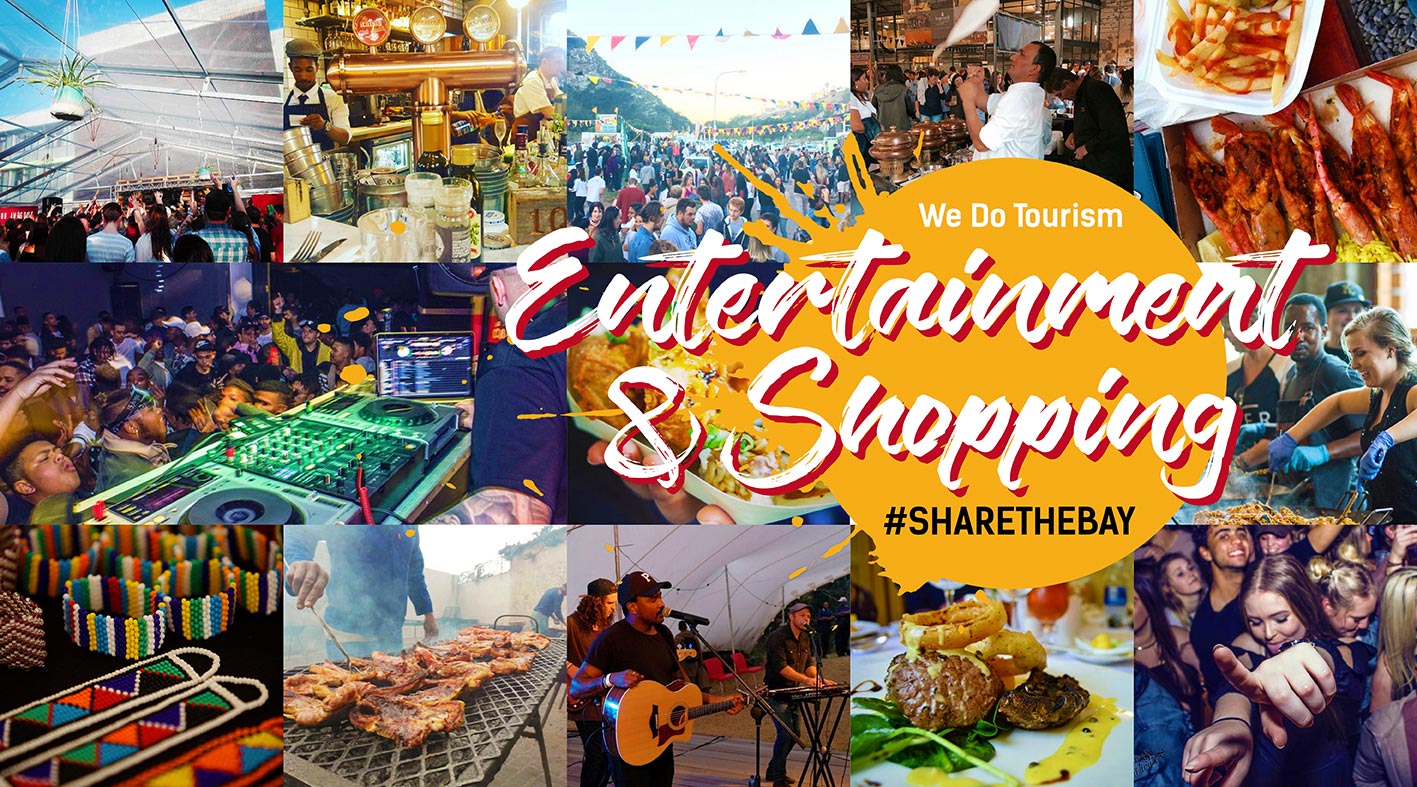
Major events also contribute social and economic benefits to a destination and enhance the urban tourism profile. Business and Events tourism adds to the foundation of a successful events region and these need convention centres and sporting stadiums of which Nelson Mandela Bay has. Nelson Mandela Bay hosts world class events such as the Netball Tri-Nations, IRB Rugby Sevens, T20 Cricket, Brian Adams Concert and a variety of Comedy shows. These events all add to local tourism GDP and assist to create a sustainable tourism destination.
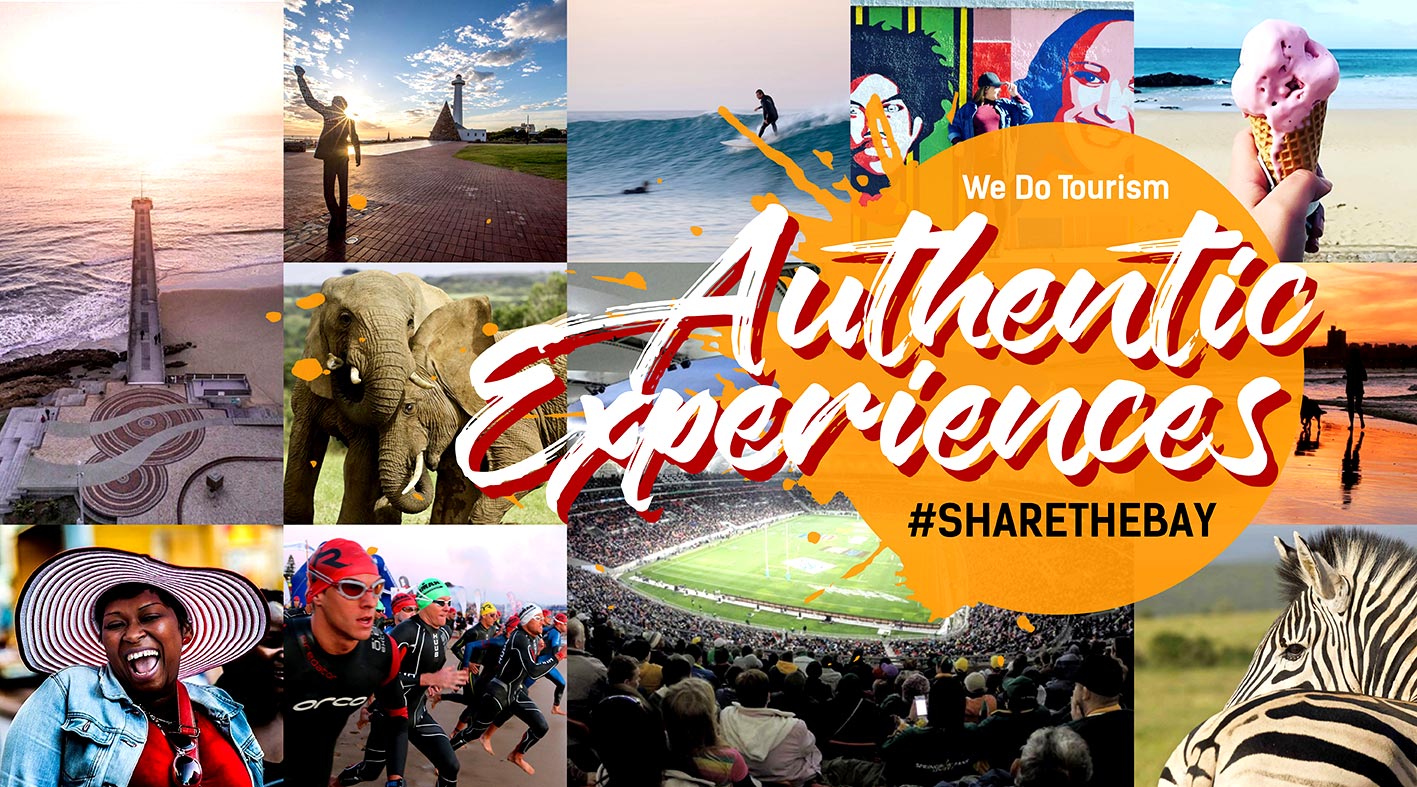
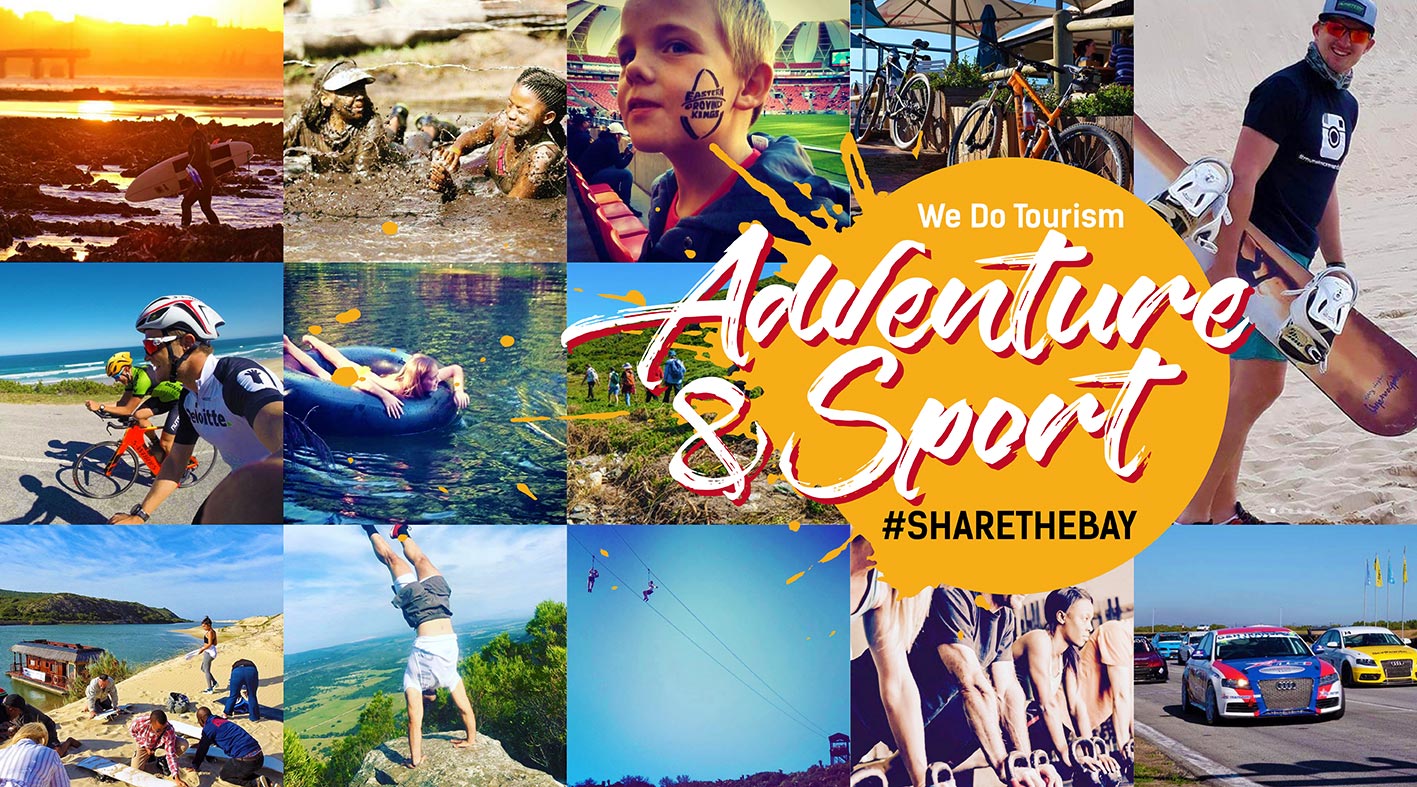
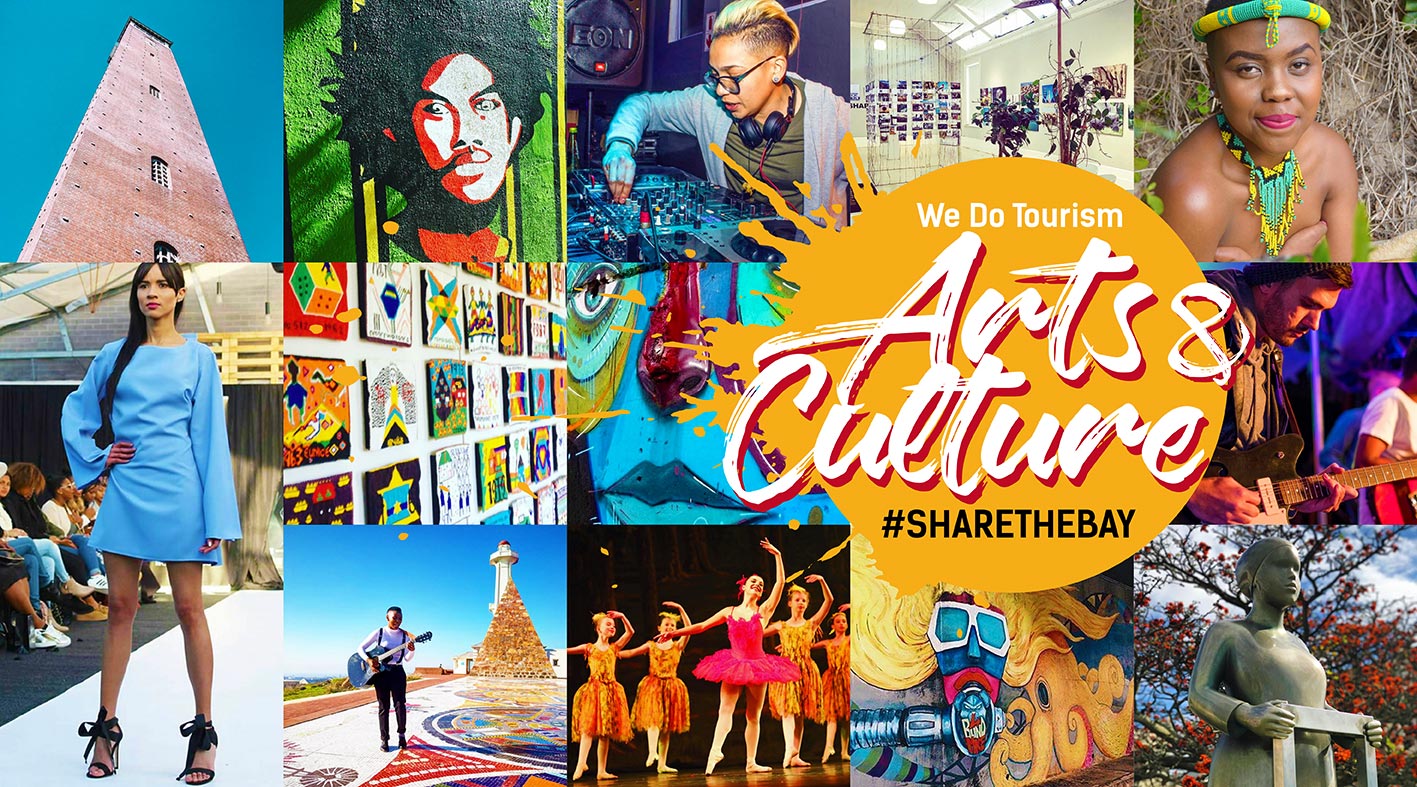
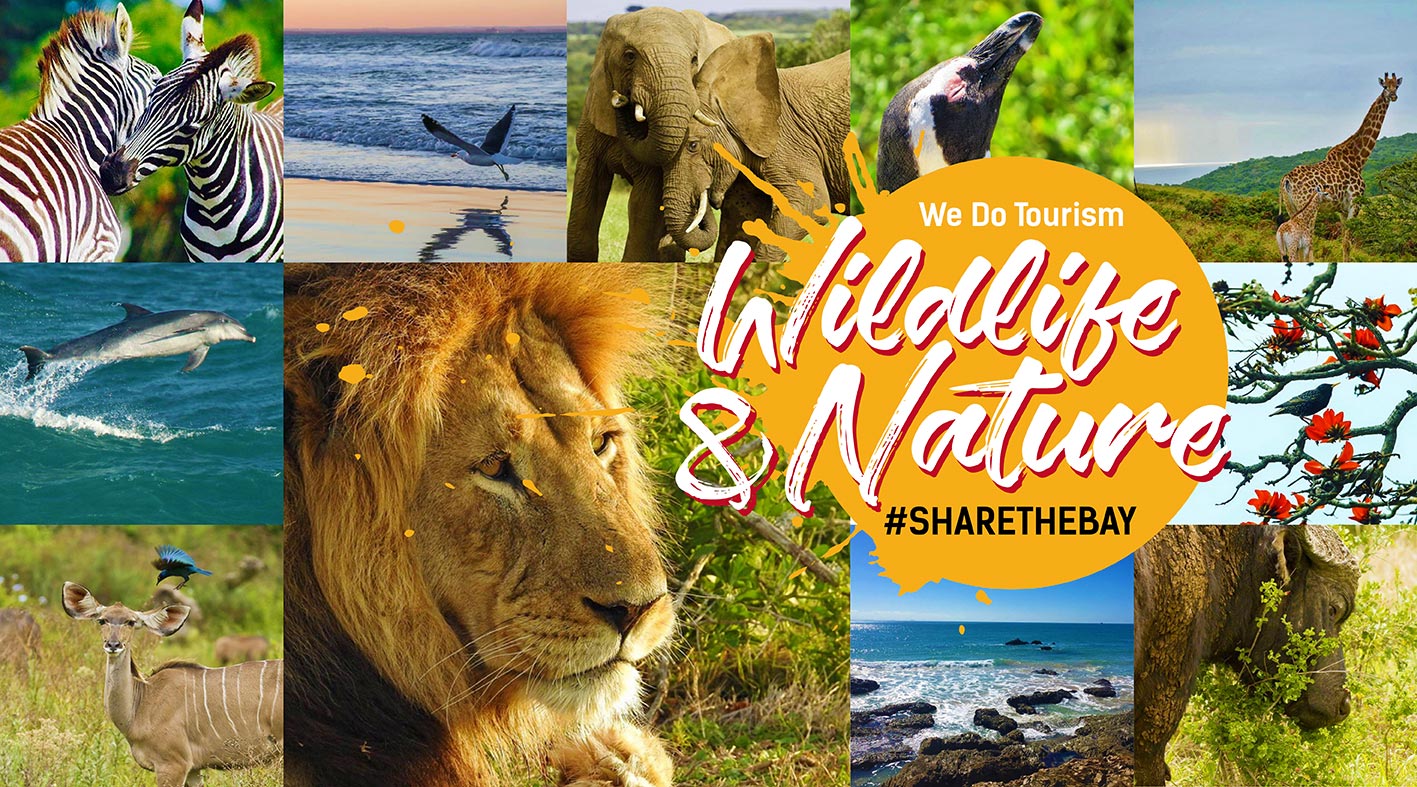
Nelson Mandela Bay has events, urban tourism infrastructure and developments as well as a great destination, perhaps what is further required is one message. A brand message that is spoken by all stakeholders, the city and the private sector, one brand message which speaks about the unique characteristics in our destination. It should link together our strengths across different sectors which should be communicated through a consistent message and imagery. A strong brand builds identity and presence in a competitive international market place. Never underestimate collaboration. Collaboration, communication and the willingness to work together creates an unstoppable destination.
Melbourne is a good example of how to increase tourism numbers through a strong events strategy which is underpinned firstly by their focus on “livability”. Mr Buckingham reiterated though, that this is only possible through business and government as well as tourism products working together with a single focus. As a destination we genuinely need to appreciate our visitors and this is across the board and all sectors from shop assistants, petrol attendants, General Managers, CEO’s and ordinary citizens. When visitors are appreciated, they enjoy their experience much more therefore being future ambassadors as well as return visitors. Often as locals we do not pay enough attention to these aspects. We should have confidence in our ability to offer an exceptional tourism experience and extend a warm South African welcome.
In this highly competitive tourism market, where Nelson Mandela Bay is in competition with the rest of the world it is vital for us to recognize our rich resources and extensive opportunities. These unique resources are in fact unique selling points. These opportunities are able to provide unique experiences and a powerful story. With a combined single story (brand message) from all sectors we can harness unbelievable growth in the tourism sector which will ultimately grow the local GDP. Last year’s economic impact through tourism in Nelson Mandela Bay was in excess of R5 billion. Strategic and collaborative planning between all stakeholders can increase and grow urban tourism to Nelson Mandela Bay. This will lead to achieving inclusive economic growth, social transformation and prosperity for Nelson Mandela Bay.









 Please wait!


