


‘Province must take tourism lead’
04 November 2011
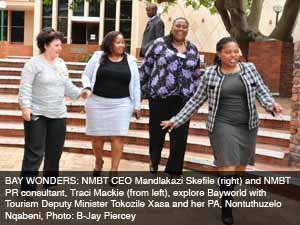
Xasa was speaking at a breakfast function in Port Elizabeth, hosted by Nelson Mandela Bay Tourism.
She said that while her department was keen to see tourism grow around South Africa, it could not be as focused on the possibilities in each individual province as the residents themselves were.
“That is why we need you to come forward and raise your voices, and take the lead. If it is a good project, then we can look at the possibility of a partnership.”
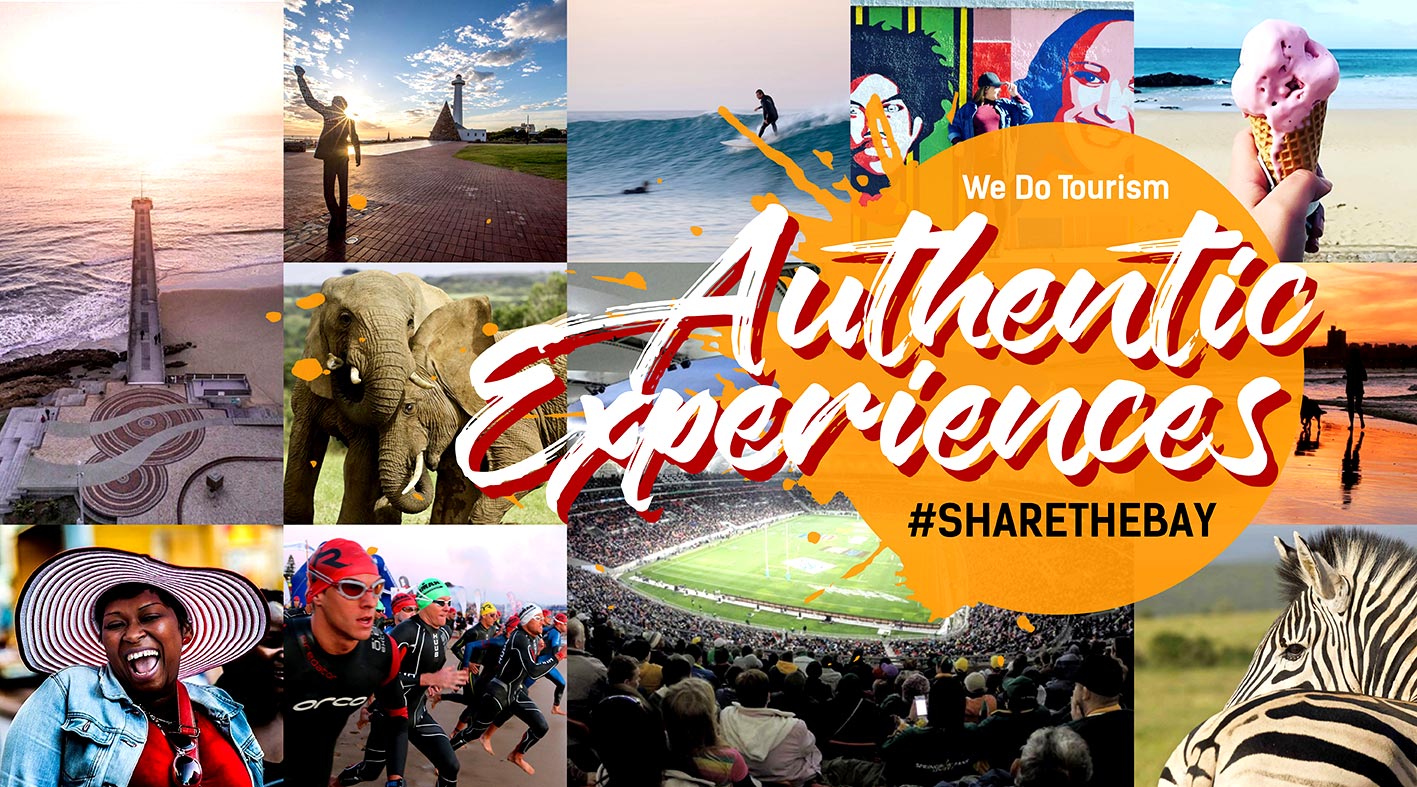
One of the characteristics of Nelson Mandela Bay was that most of the main tourism attractions, like Bayworld, the Donkin and the new Nelson Mandela Bay Stadium, were government-sponsored facilities and private enterprise needed to get more involved in the tourism sector here, she said.
Xasa emphasised that the government “did not want to over-regulate” the tourism industry, but also highlighted her department’s aim to raise South African tourism from its present top tourism destination rating of 35 to “in the top 20” by 2020.
“Tourism in this country currently contributes R189-billion, or 8% of GDP, and generates a million direct and indirect jobs. The aim for 2020 is to increase annual GDP contribution to R499-billion, to increase visitor arrivals from 9.6 million to 15 million, and to add another 225,000 jobs.”
While the global economic pinch and its effect on tourism growth were a reality, and this was being felt in reduced foreign tourist arrivals and bed nights, new markets had emerged after last year’s soccer World Cup, she said.
“Up until 2015, about 200 new international events have come or will be coming to us, flowing from that event. The latest is the IRB Sevens, which you will be hosting, on behalf of South Africa, for the next four years, here at the Nelson
Mandela Bay Stadium. We estimate these new events will bring in about 300,000 people.
“We are moving towards establishing South Africa as a premier global leisure destination,” Xasa said.
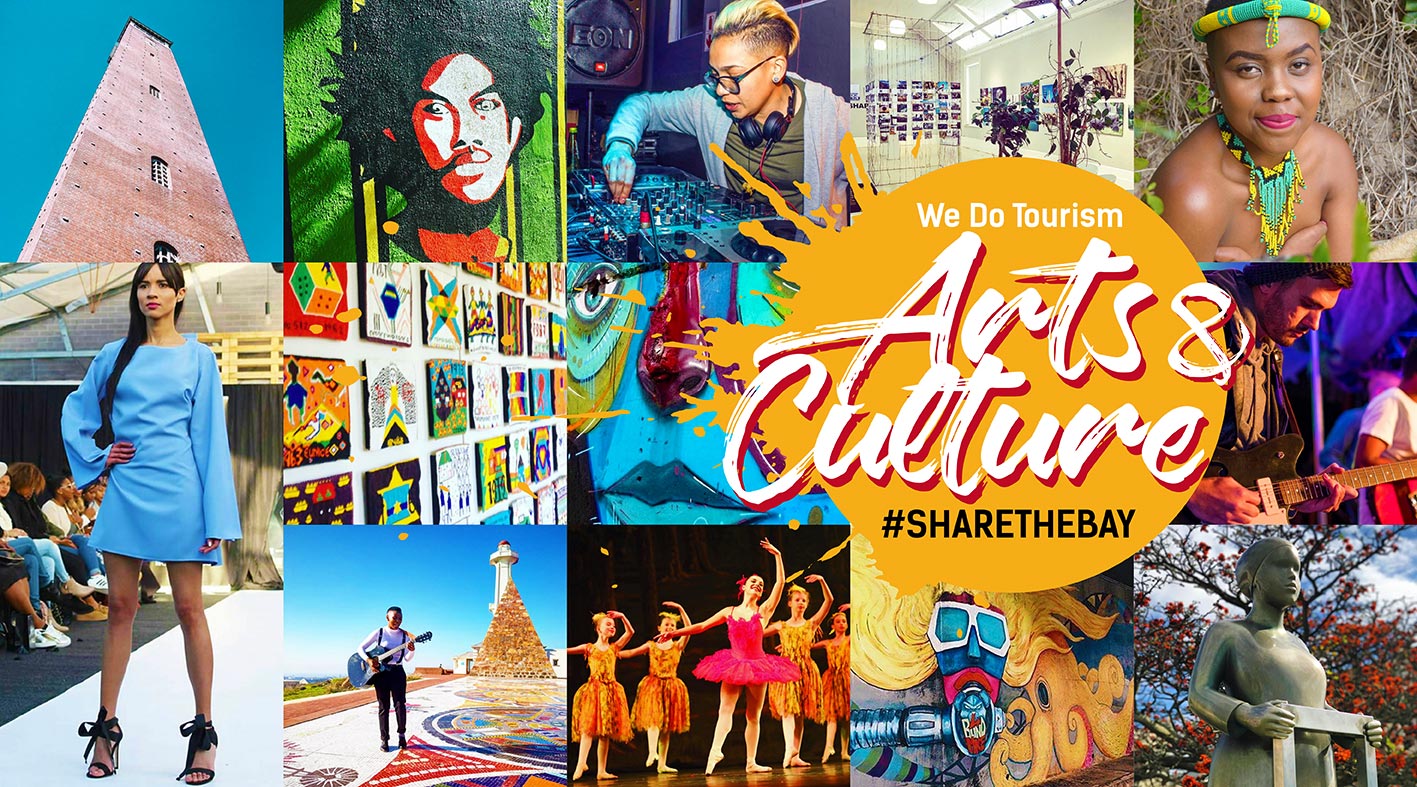
Heritage and culture were the new trends in world tourism, and cities and travel operators needed to capitalise on these possibilities. Municipalities needed to think about signage because “no matter how beautiful your attractions, visitors need to know where they are going”.
While looking to steadily increase the number of incoming foreign tourists, the intention was also to increase the focus on domestic tourism. This was the only way to create a buffer against problems like global recessions.
Turning to security, she said there would never be enough police to guard every tourism establishment and the best form of security for the tourism industry was to work with the local community.
“Involve them by contracting them to supply products, traditional food or cultural performances. That way, value is attached to the establishment or project, in their eyes, and they will protect it.”
Author: The Herald














 Please wait!


