




Wising up on winding down - responsible tourism for the Bay
28 September 2010
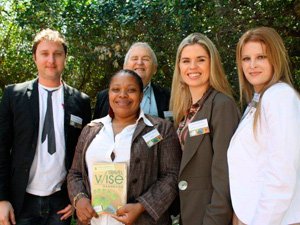
Levack was addressing members of the tourism industry last week at a workshop focused on bringing heritage, sustainability and responsibility to the forefront of future tourism endeavors. Also joining the workshop was the Tourism Grading Council of South Africa, which was present to introduce their new grading system.
“Previously (in South Africa) there has been an emphasis on separate heritage: the San, Zulu, Xhosa, Afrikaner. This has contributed to a lack of understanding of shared heritage – but if you don’t understand shared heritage, how can you exploit it for economic benefit,” Levack asked the attendees. “Everyone who wants to improve their product needs to embrace shared heritage – and to do so in a responsible manner.”
Part of that embrace, he emphasized, was respecting the multiple types of heritage on offer from the environmental to the human. “This is what responsible and sustainable tourism is all about: using heritage products to fight poverty, enforcing by-laws that protect our natural heritage, and thinking about sustainable economies.
“We must preserve and protect – if you don’t know that something has potential, you’ll walk past it. Be on the lookout for things that meet local needs, travelers needs and keep in mind that 90% of people remember what they did and who they met when they are visiting a new place.”
Levack drove home that the tourism industry was more powerful as a collective than as independent operators, and this too formed part of holistic sustainability. In tandem with Levack’s enthusiastic talk, NMBT launched their Travel Wise Handbooks which outlined practical tips for responsible and sustainable tourism for establishment owners.
“While tourism has huge spin-offs in terms of economic benefits, one has to be aware of the impacts we make on both the earth and on people when engaging in tourism,” explained Mandlakazi Skefile, new NMBT chief executive. “We are following international trends on going green, sustainability and fostering an ethos of responsible tourism.”
The latest initiative on the part of NMBT – sponsored by funding from the National Lottery Distribution Trust Fund – aims to educate and offer sound advice on avenues to better tourism practices for those engaging in tourism and those providing products.
The launch and workshops coincides with the end of Tourism Month and charts NMBT’s new strategy for focusing on environmental issues and sustainability, said Skefile. The main areas covered by the booklets, which are printed on Sappi tripled recycled paper, are eco-tourism tips and sustainable tourism practices, as well as notes on safety and security, water saving, employment. NMBT’s annual general report will be printed on ‘green’ paper – another incidence of leading by example and following small but crucial steps to responsible and sustainable tourism.
“Small actions accumulate to create big movements, this is what we are aiming for at the moment – small steps to conscientise people about their responsibilities whilst having an enriching tourist experience. There is no reason why we can’t have fun and make a difference,” added Skefile.















 Please wait!


